THE GREAT AUSTRALIAN DREAM 2.0
A Vision As Vast
As The Land
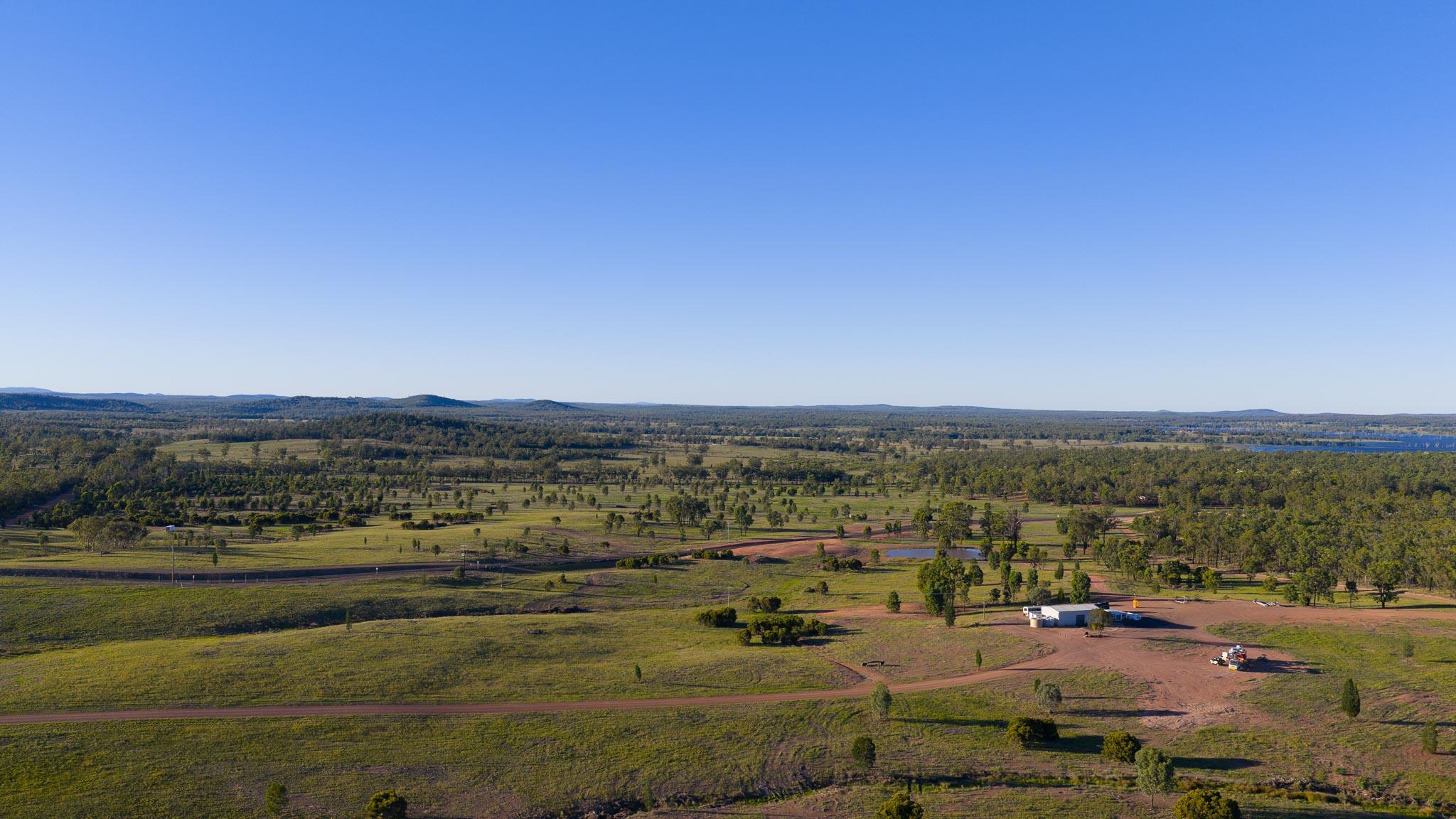
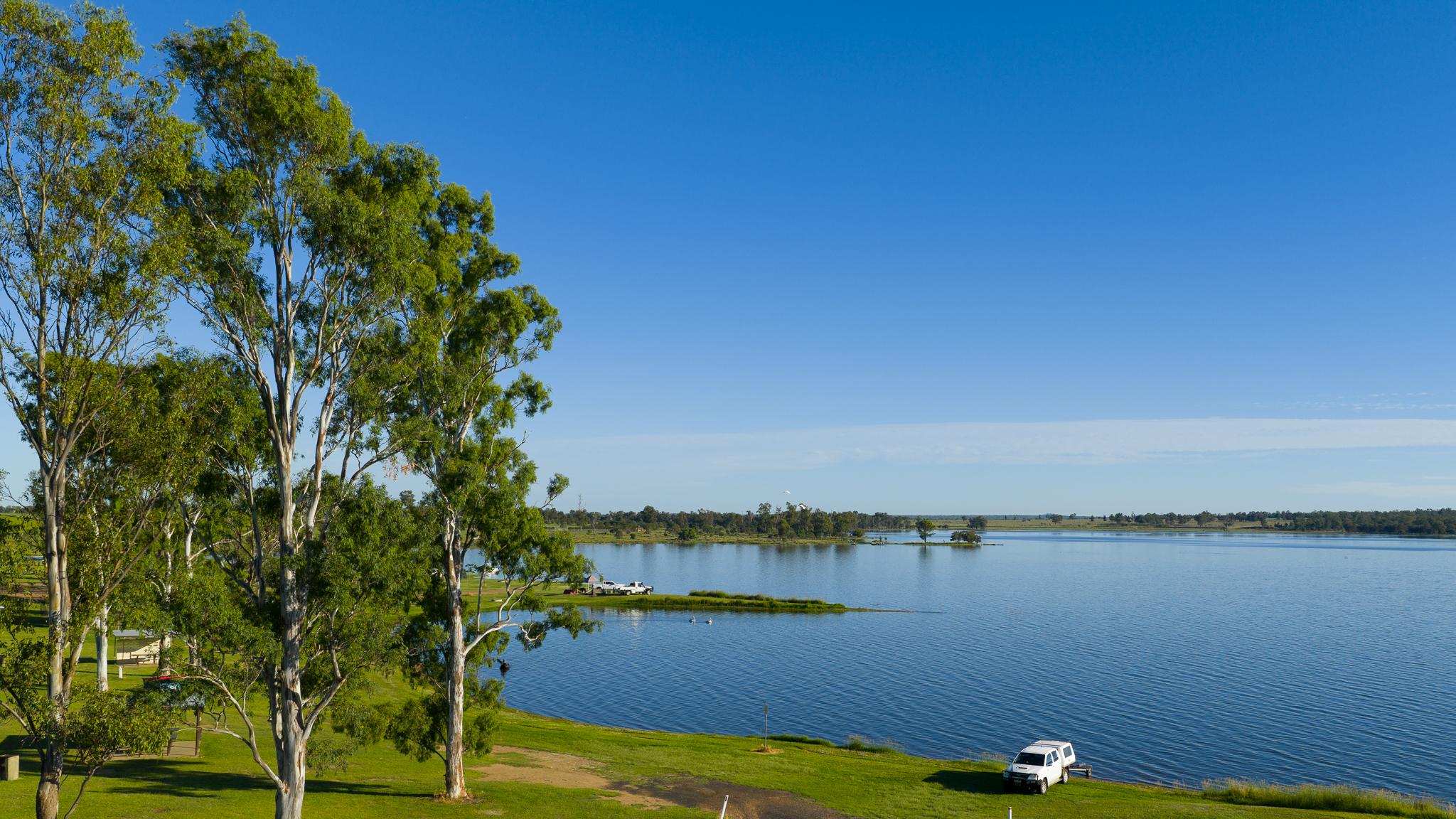
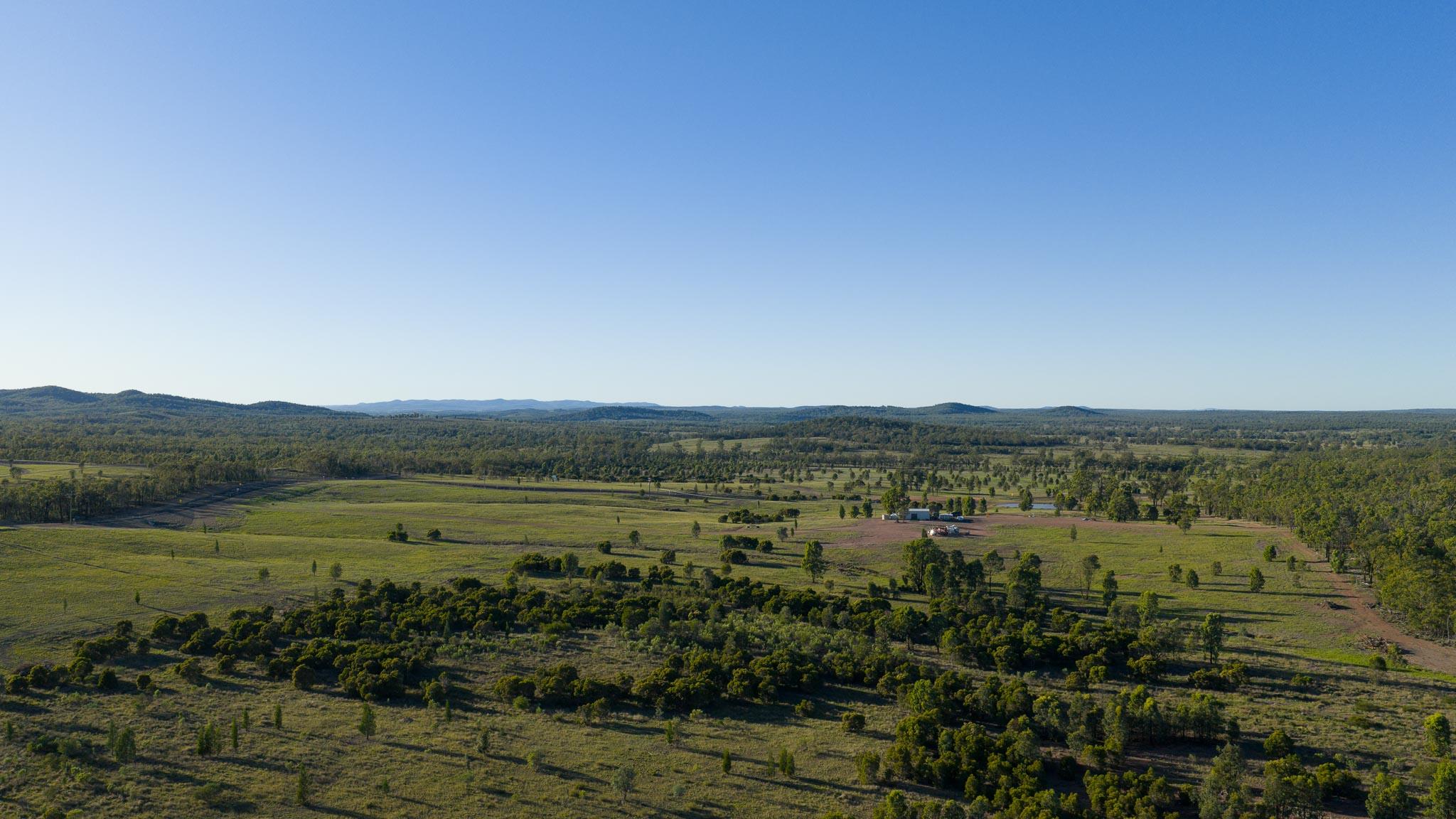
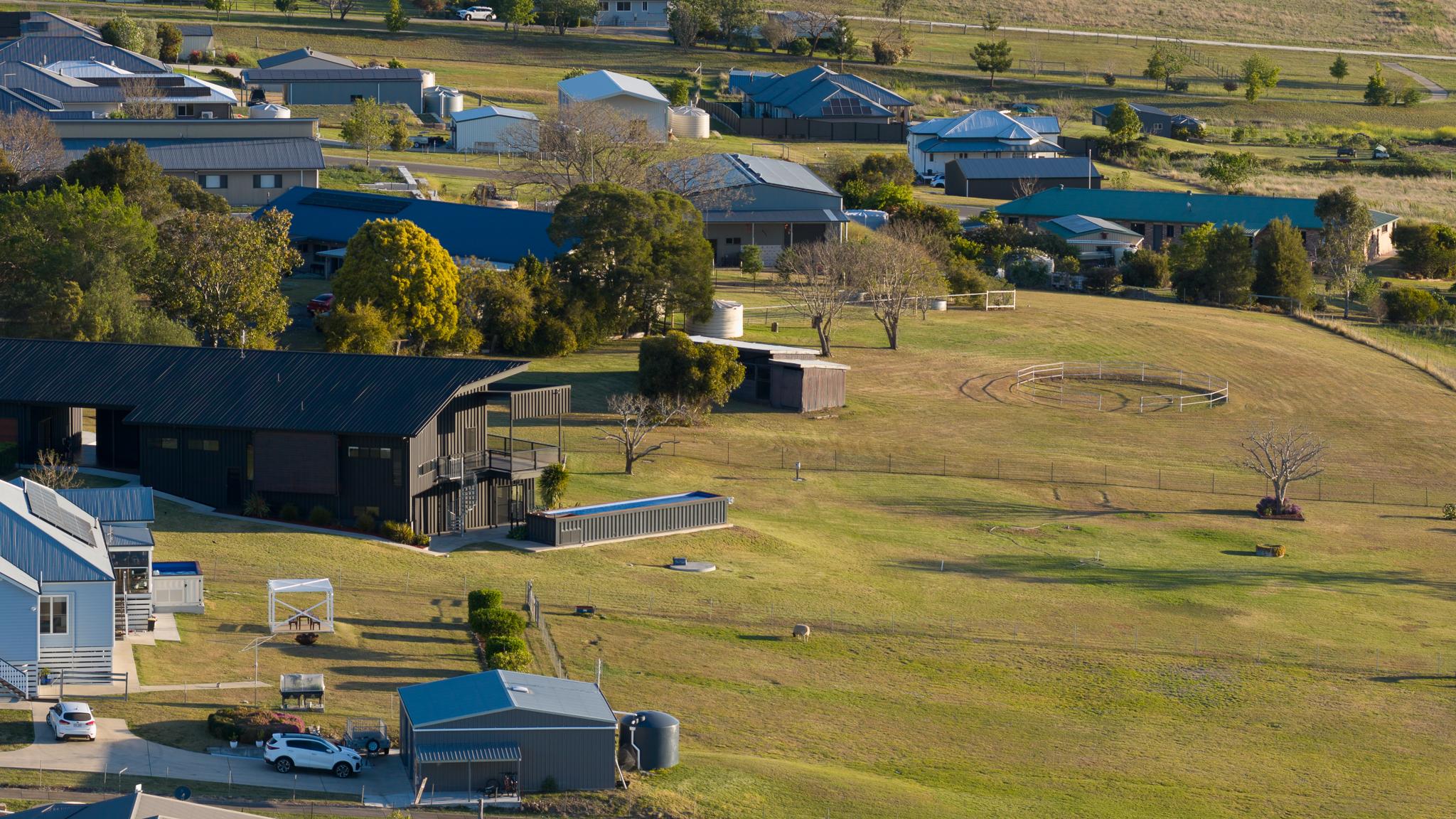
Regional and rural Queensland is the next great frontier...wide open space and welcoming smiles. Where owning your own piece of Australia is still possible. Affordable. Believable.
Roads & Infrastructure
Queensland roads investment in Darling Downs this year
Australian Government funding for the Toowoomba Second Range Crossing
Four-year roads program for the Darling Downs district
Direct jobs supported across Queensland's transport program
Source: Queensland Government & Australian Infrastructure reports
A Cinematic Journey through the new heart of Australia
See the land; meet the people making the Great Australian Dream 2.0.
Created, designed, written and produced by ipqld.land's human production unit. We use AI to build and maintain web site code and for deep research. We use people to write, shoot, direct and edit. AI is used to check grammar and tenses as an intelligence entity.
Watch the Full Story
Welcome To ipqld
There's not a lot of BS in the bush. The horizons might be big. The egos aren't.
Properties list and sell fast out here. Opportunities come and go. We don't.
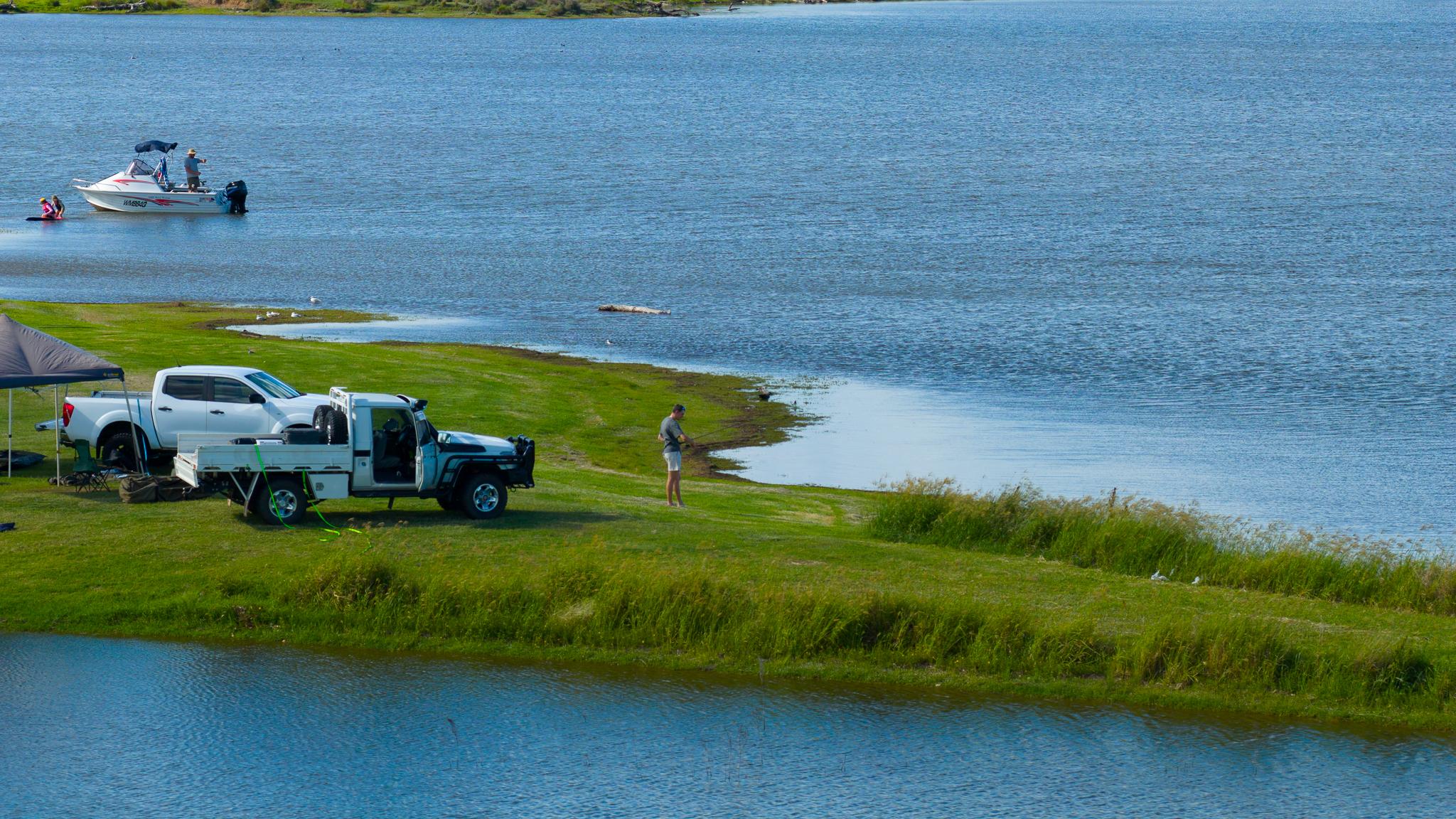
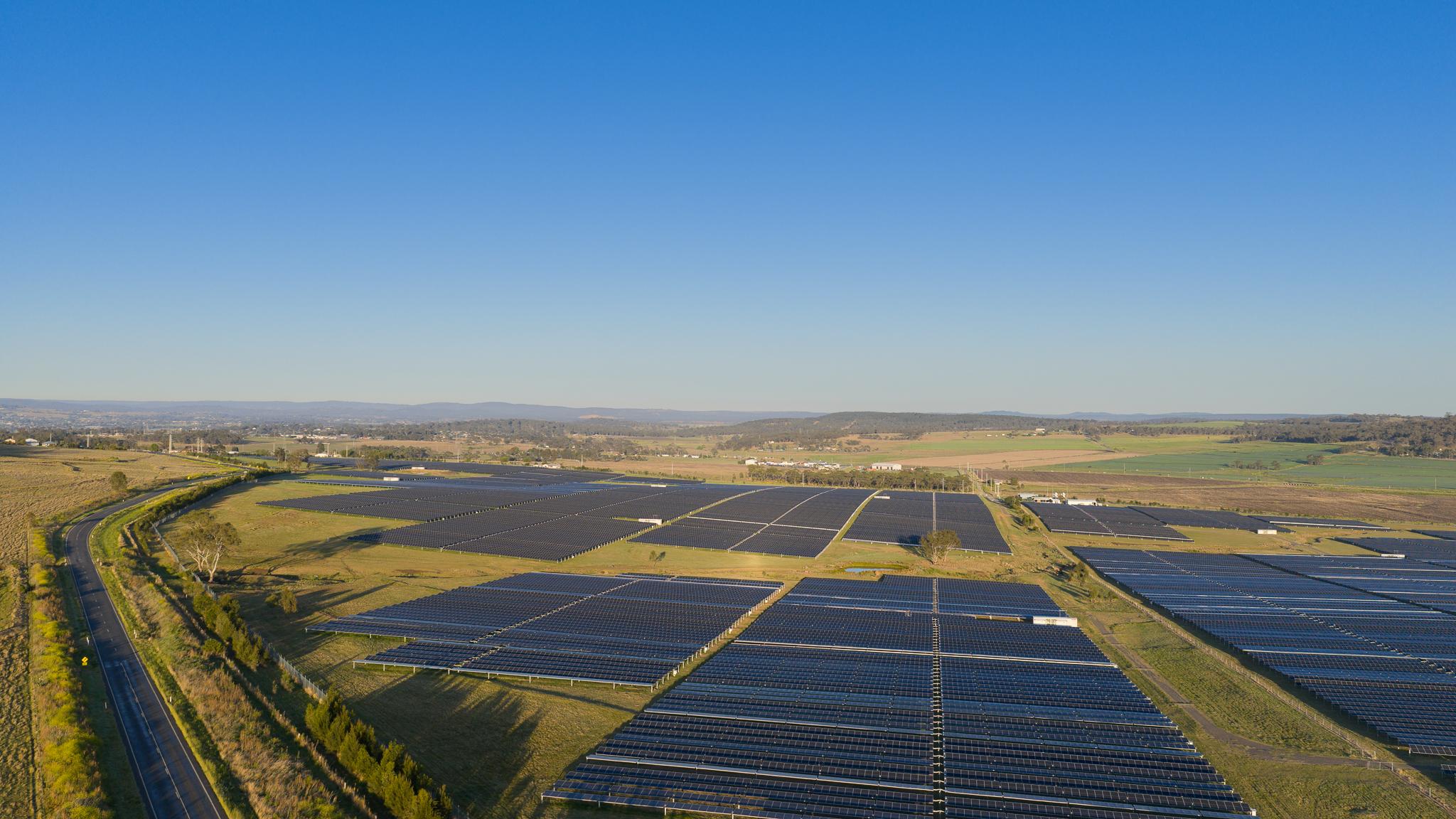
We represent developers with long-term interests in this part of the world and we market all different types of land and house and land packages. Close to the coast. Far from the coast. In the mountains and on the plains.
The Great Australian Dream is alive and doing very well thank you out here.
If you're buying or selling or developing — or have some news on projects — we would love to hear from you. Drop us a line, friend us on Facebook. Follow us on Instagram. And let's start building relationships that turn into friendships and last.
SkyFire · Resistance & ReNewal
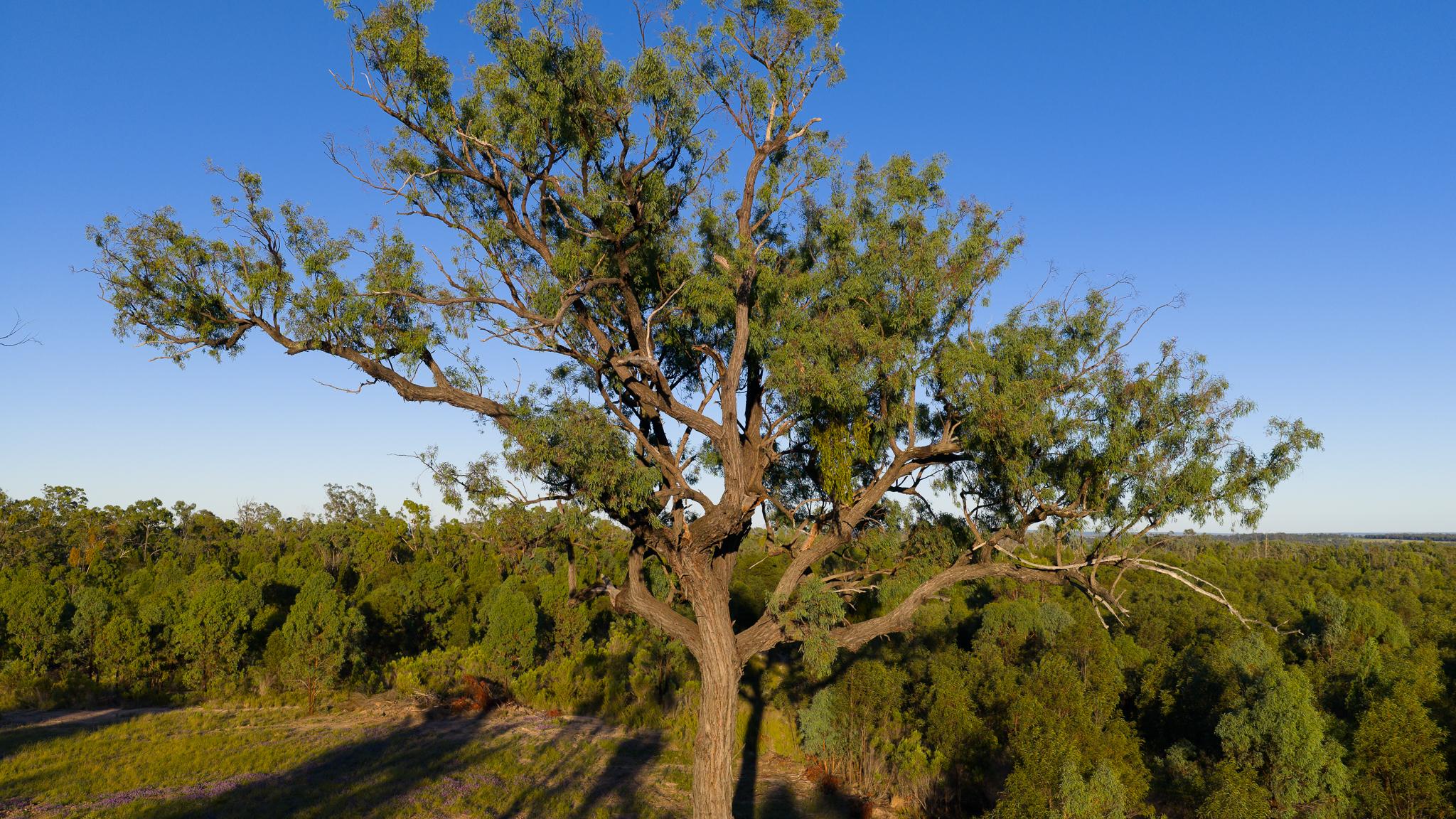
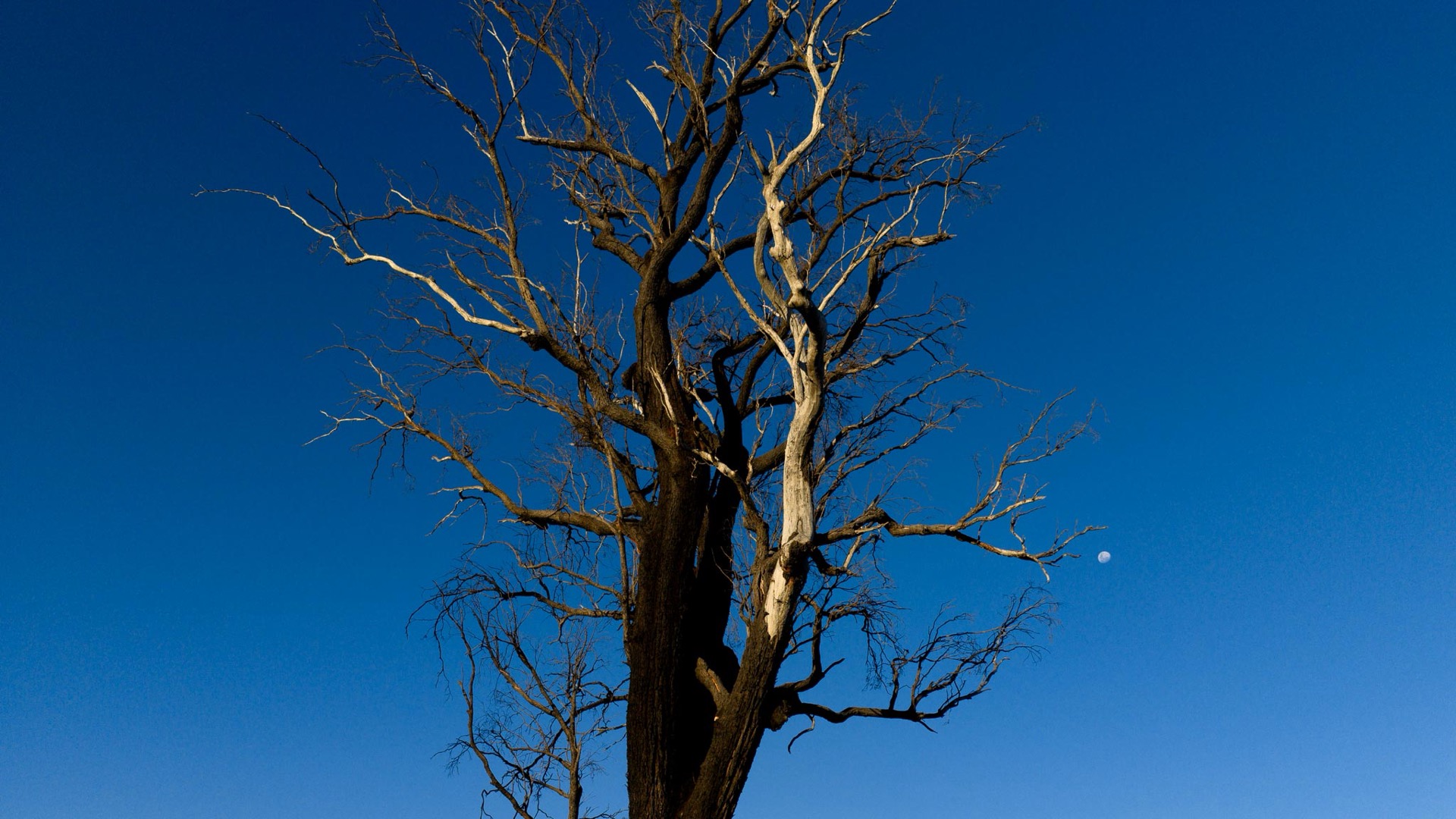
IronBark Station. The lightning tree.
This tree was probably ionised by a direct hit — a clean, vertical scar running down its flank.
It didn't explode.
Most would.
When lightning strikes, it delivers between a hundred million and a billion volts in a single breath.
The current rips through at thirty thousand amps, heating the air to thirty thousand degrees Celsius — five times hotter than the surface of the Sun.
In that microsecond, the sap inside a trunk turns to steam.
The pressure should tear the tree apart.
But ironbark doesn't shatter.
It absorbs the shock. It blackens. It holds.
Its fibres lock down. Its resin seals the wound.
It becomes its own armour.
That's why the old one still stands — carbon-scored but unbroken.
A monument to skyfire absorbed and endured.
A symbol of what IronBark Station is built to be: fire, resilience, renewal — written into wood, weather, and will.
A single lightning bolt carries an astonishing amount of power — enough to reshape matter in an instant.
Voltage: 100 million to 1 billion volts.
Current: 30,000 amps on average. Some bolts exceed 300,000.
Energy: 1 to 10 billion joules.
Duration: tens of microseconds — yet in that blink, air heats to 30,000 °C.
To ground that in something tangible —
A single bolt could power a 100-watt light bulb for about three months.
Or run an average Australian household for eight to ten days.
When that energy hits a tree — like your blackened ironbark — it instantly vaporises sap into steam, creating explosive internal pressure.
Most trees split or burst.
But ironbark survives.
Its dense, fibrous structure and resin-rich bark char and insulate rather than detonate.
“That charred trunk isn't just a relic. It's a living monument to 30,000 amps of skyfire absorbed and endured.”
IRONBARK STATION
An Australian Generational Habitat
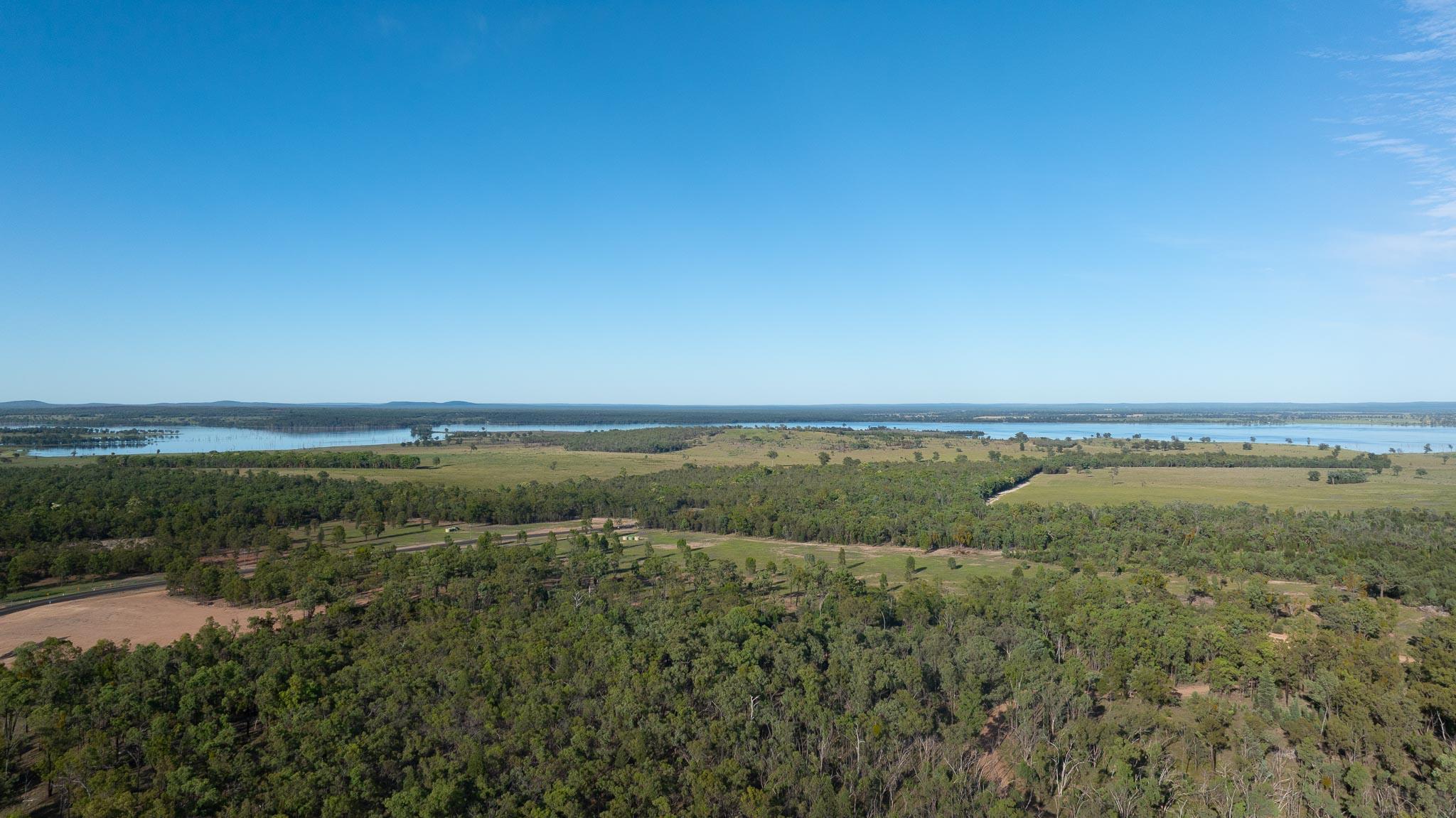
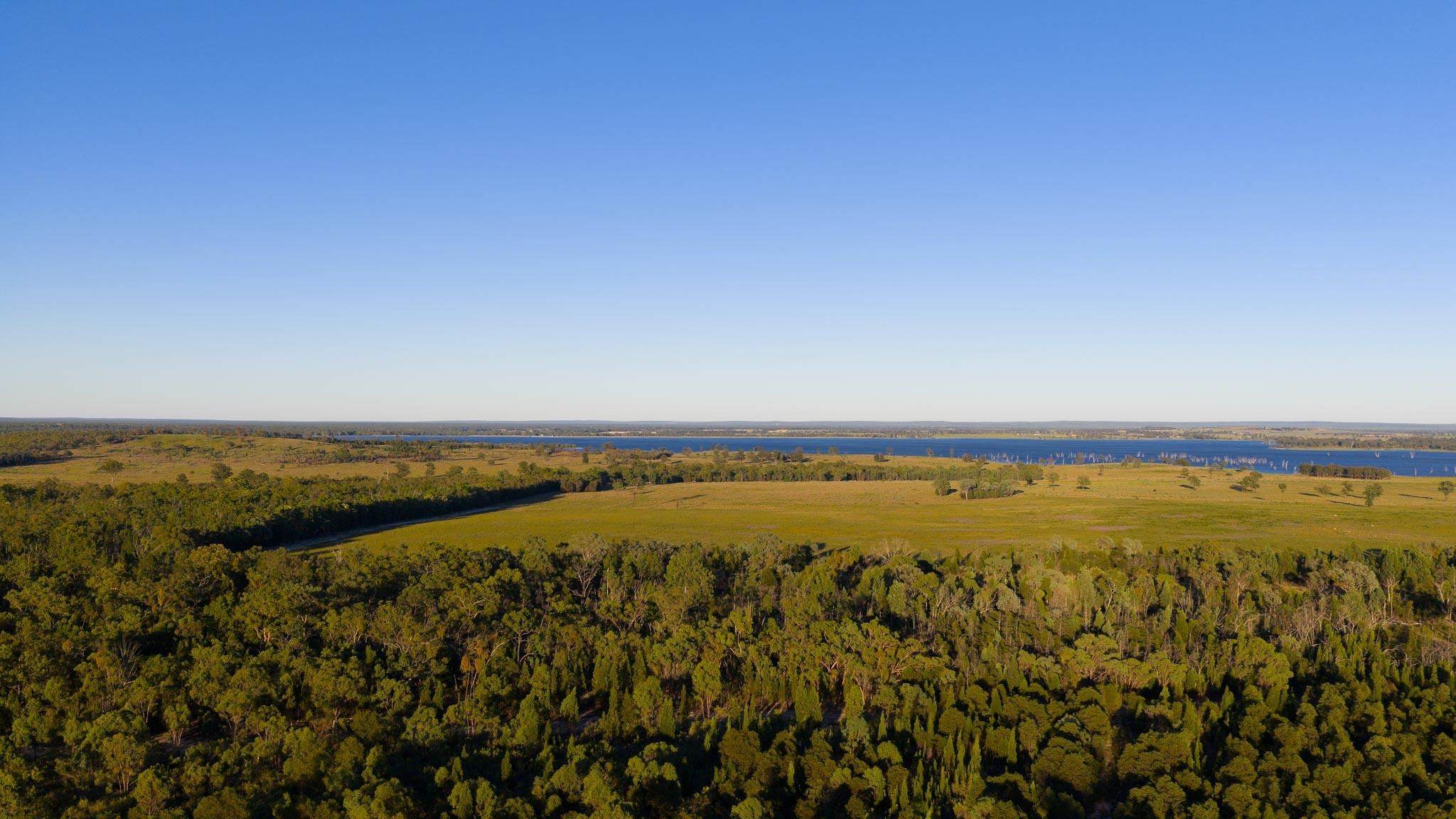
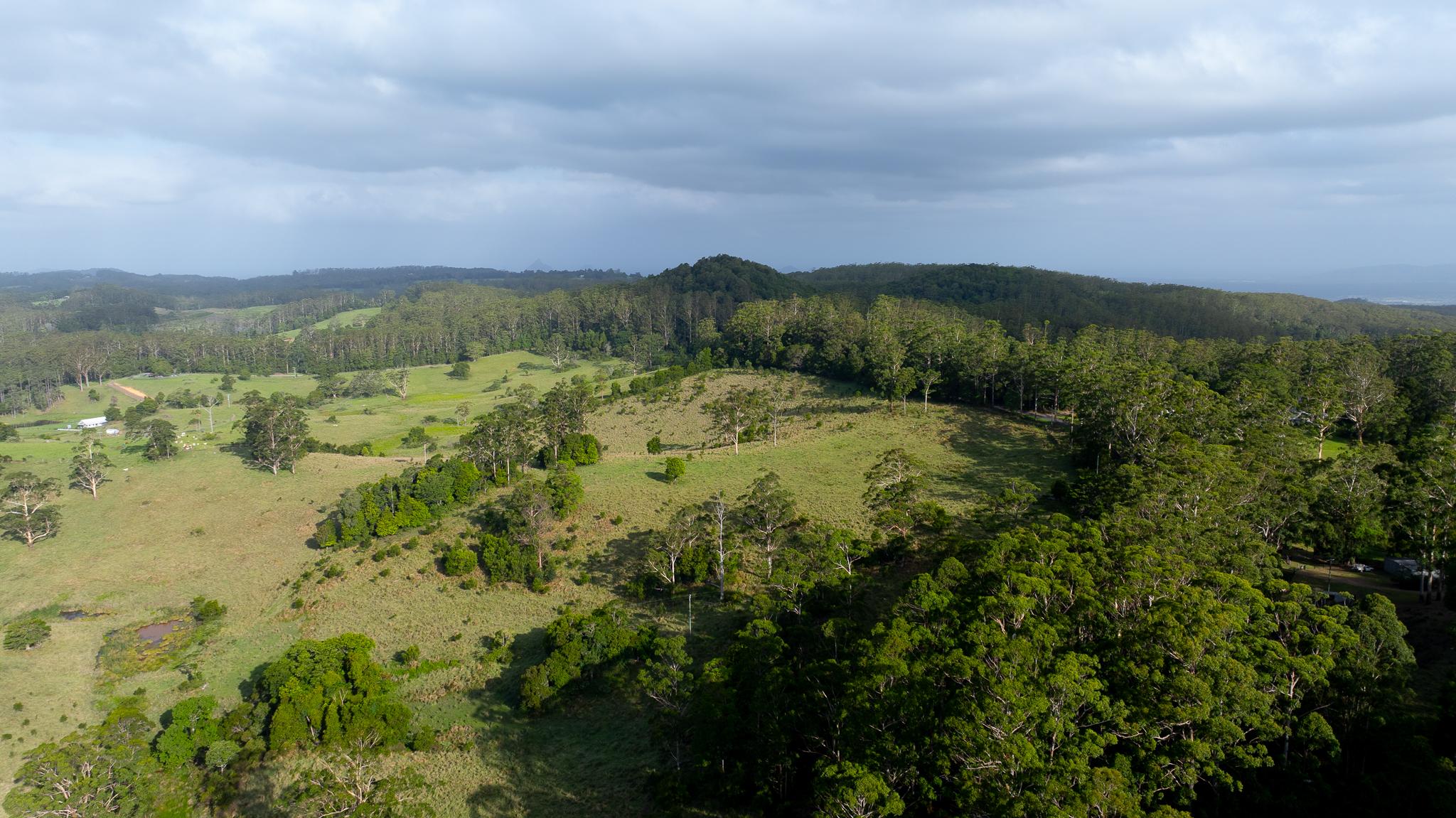
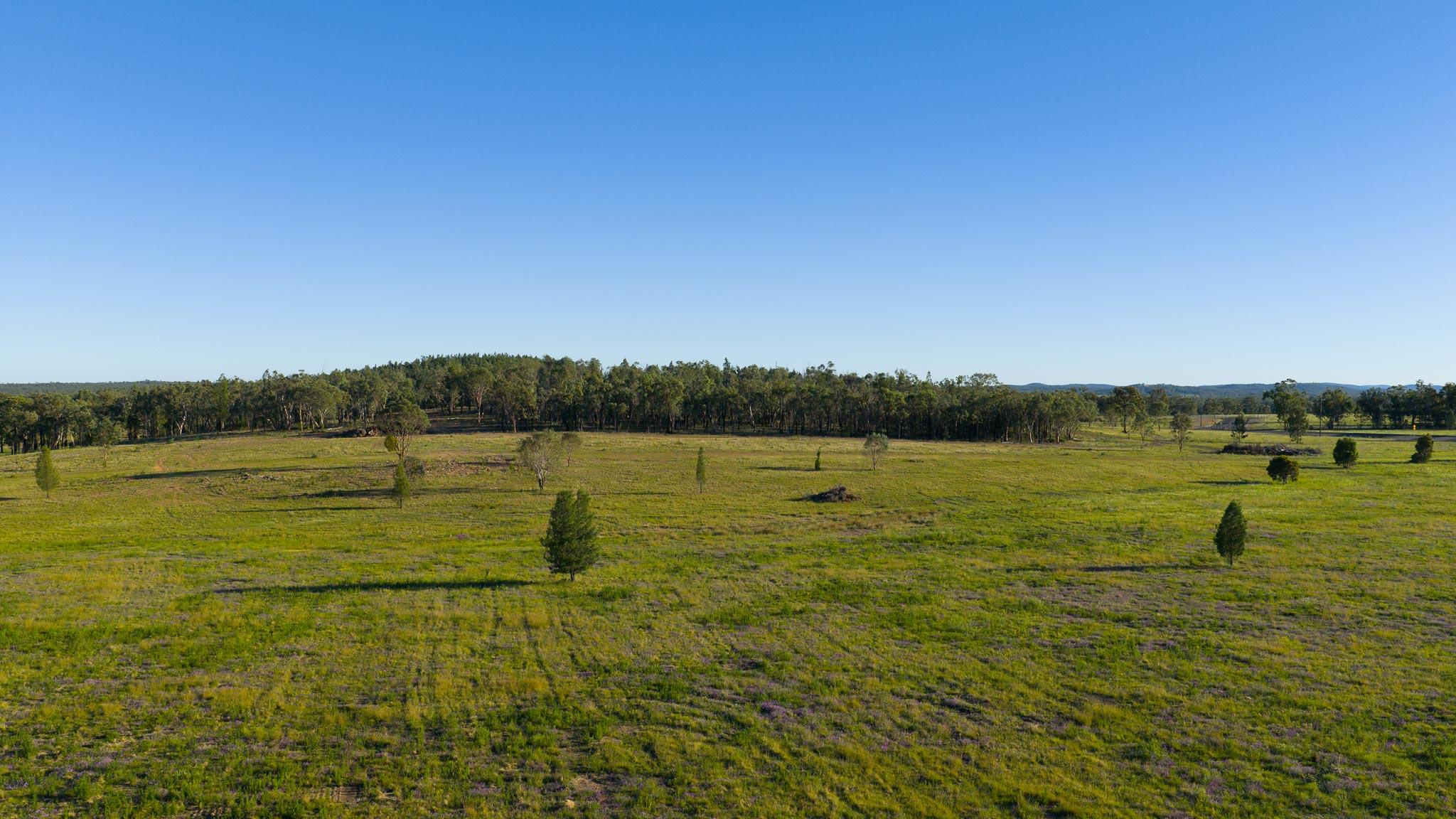
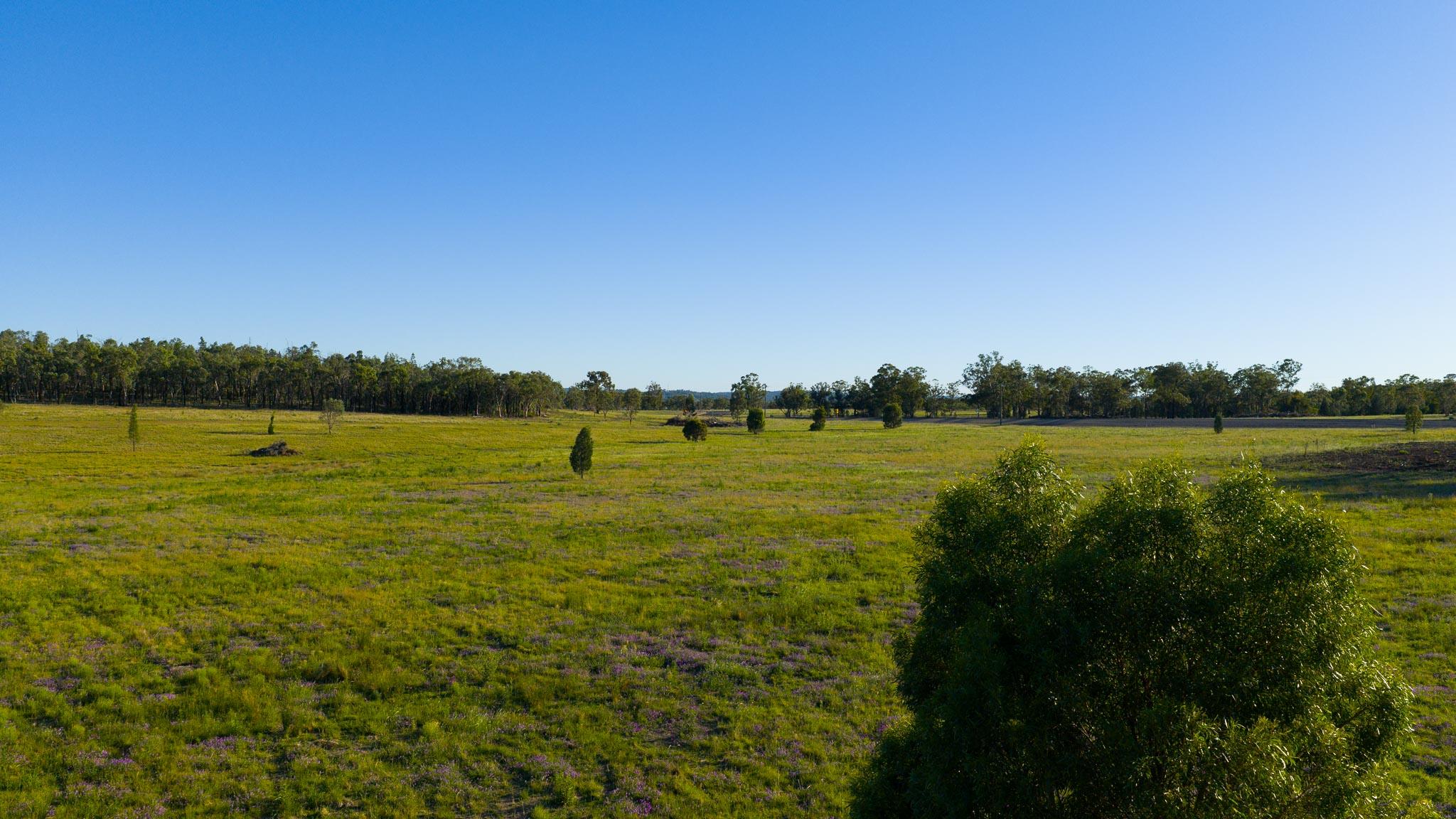
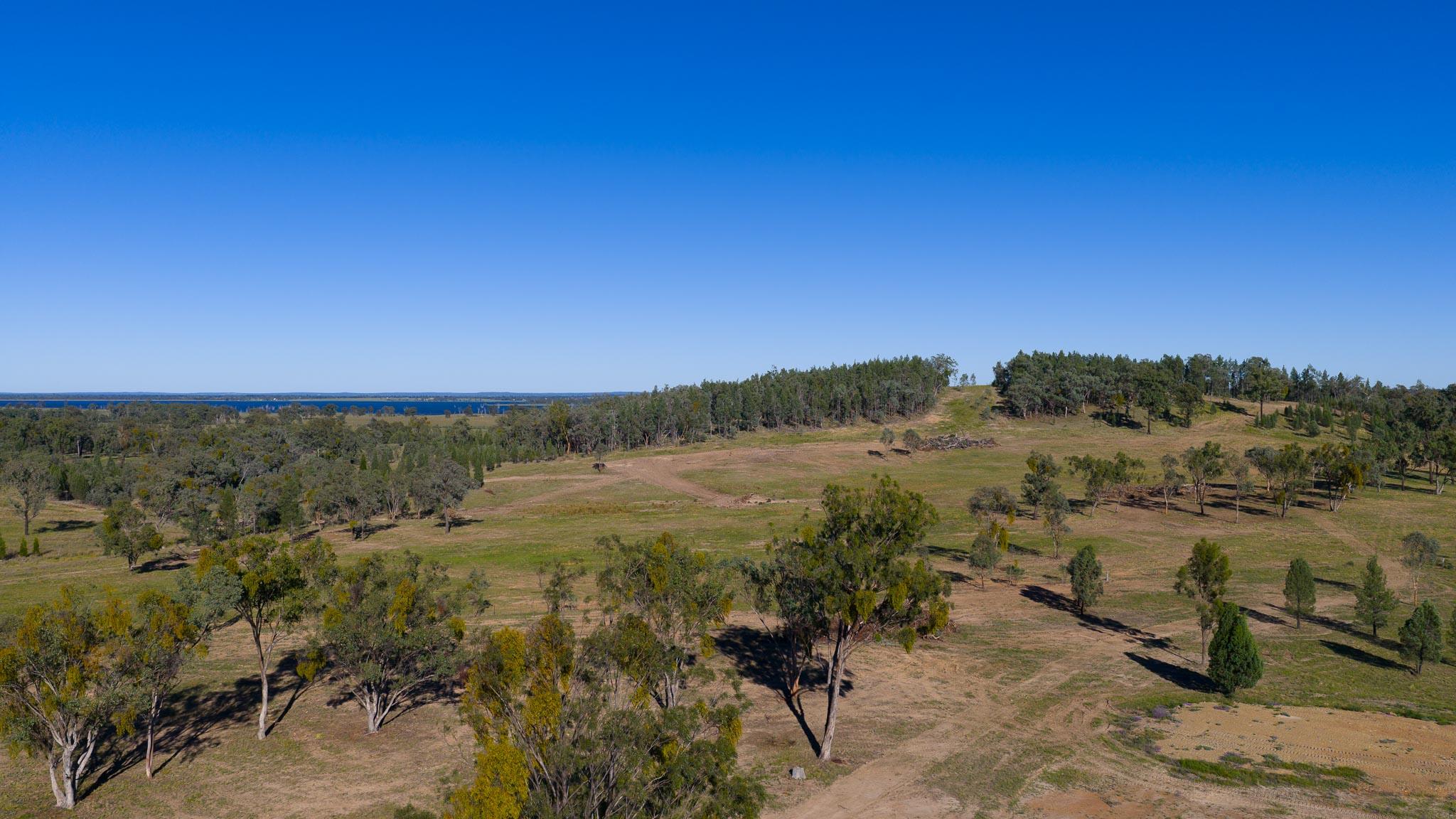
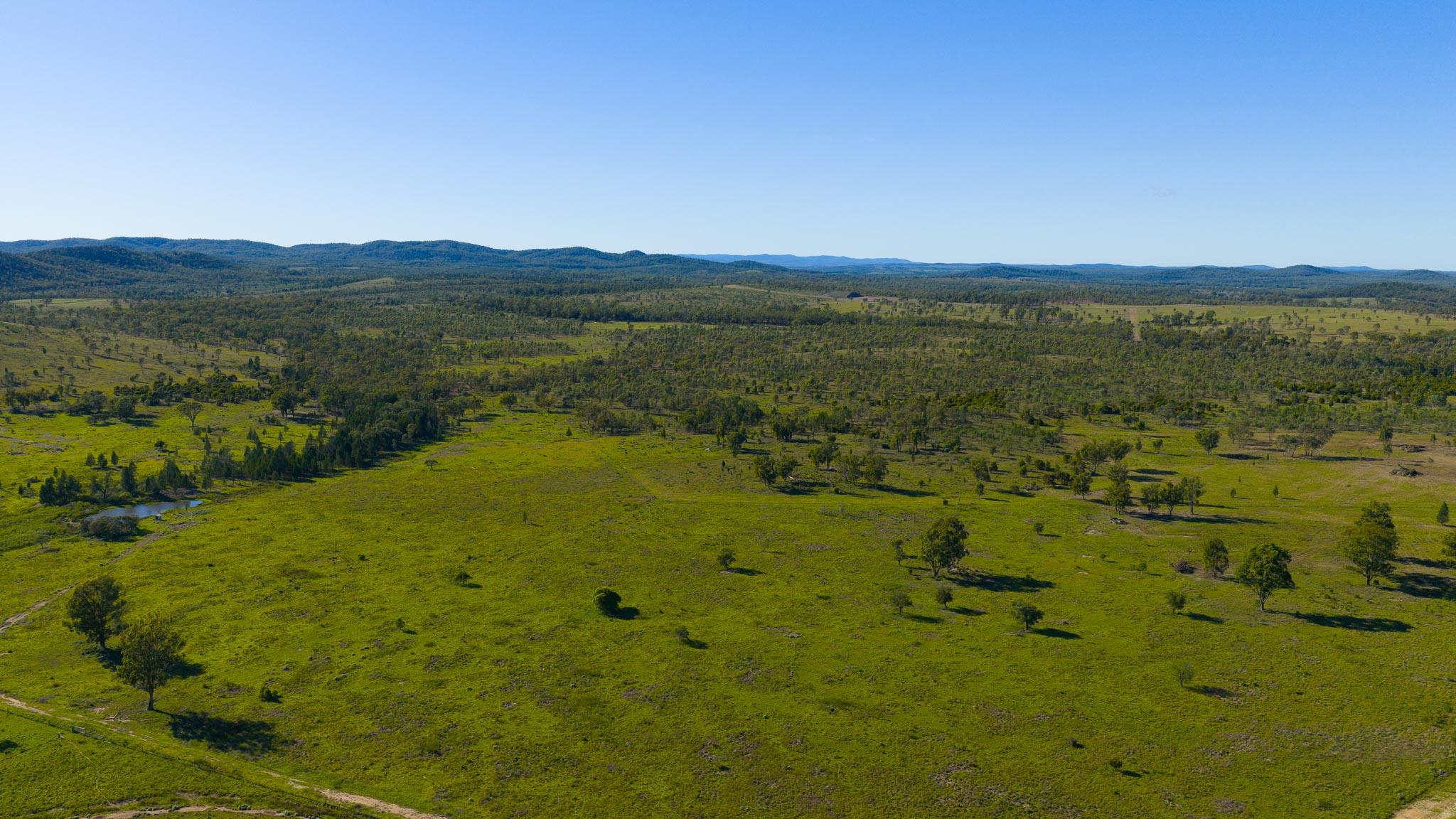
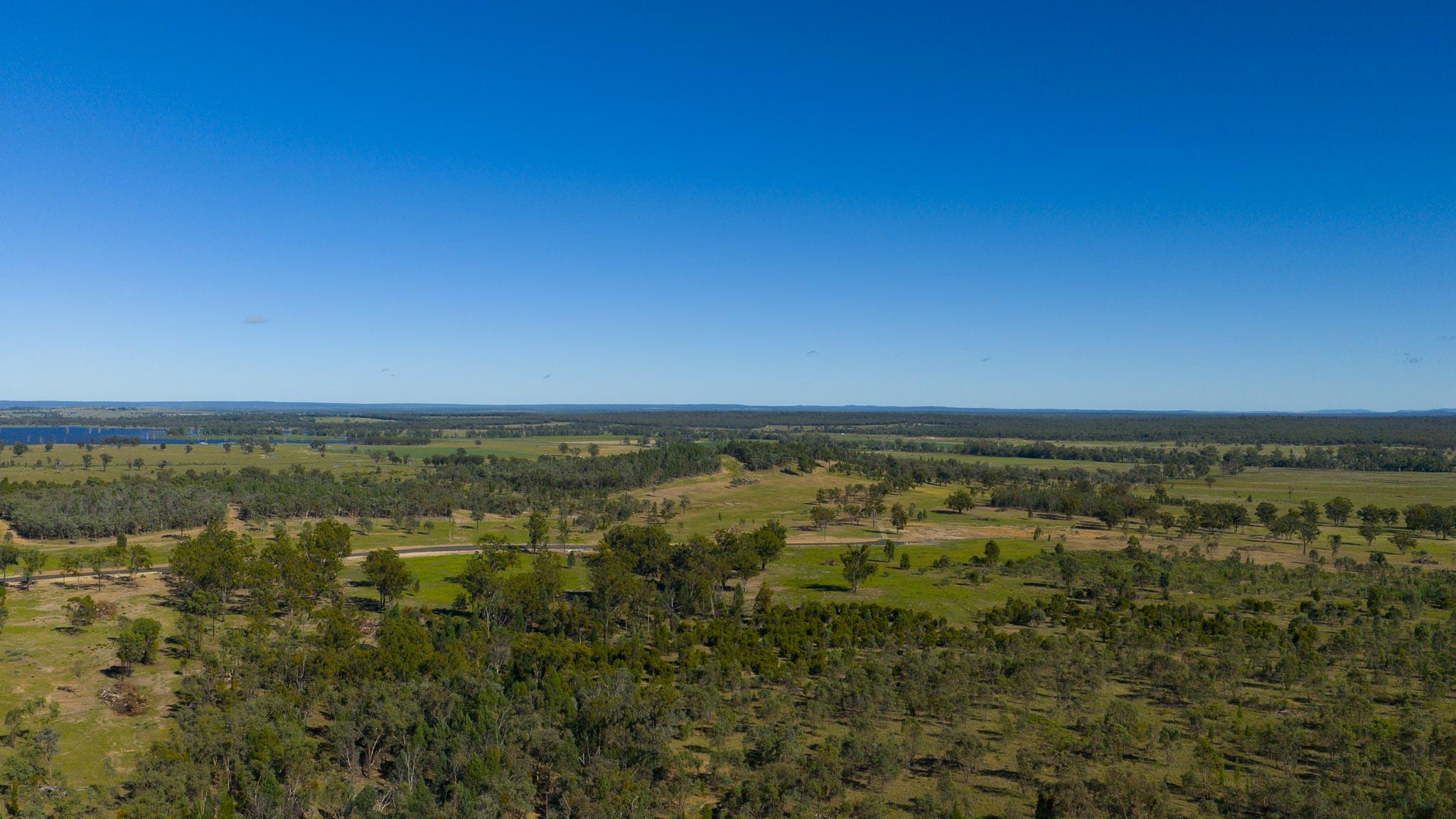
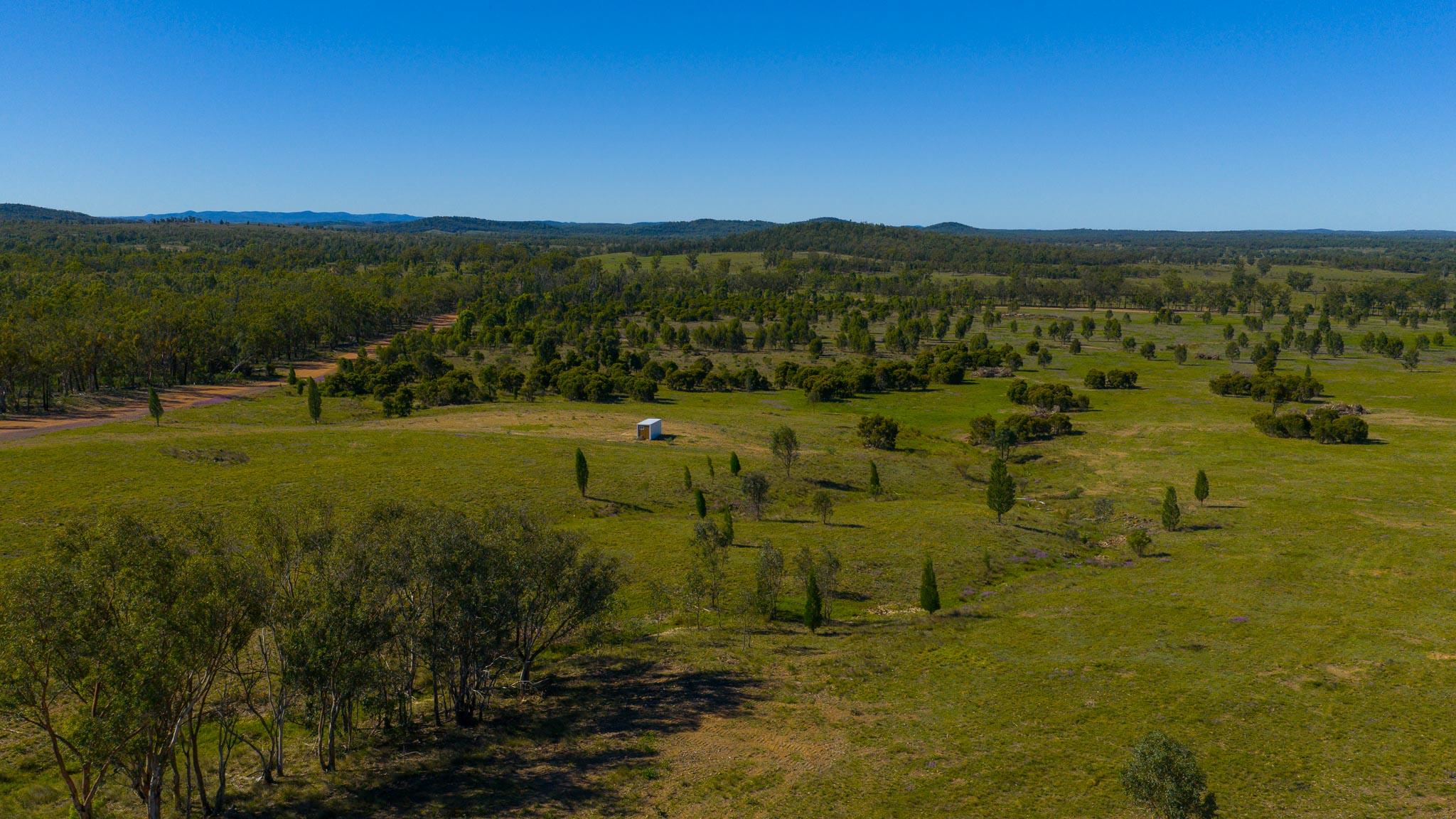
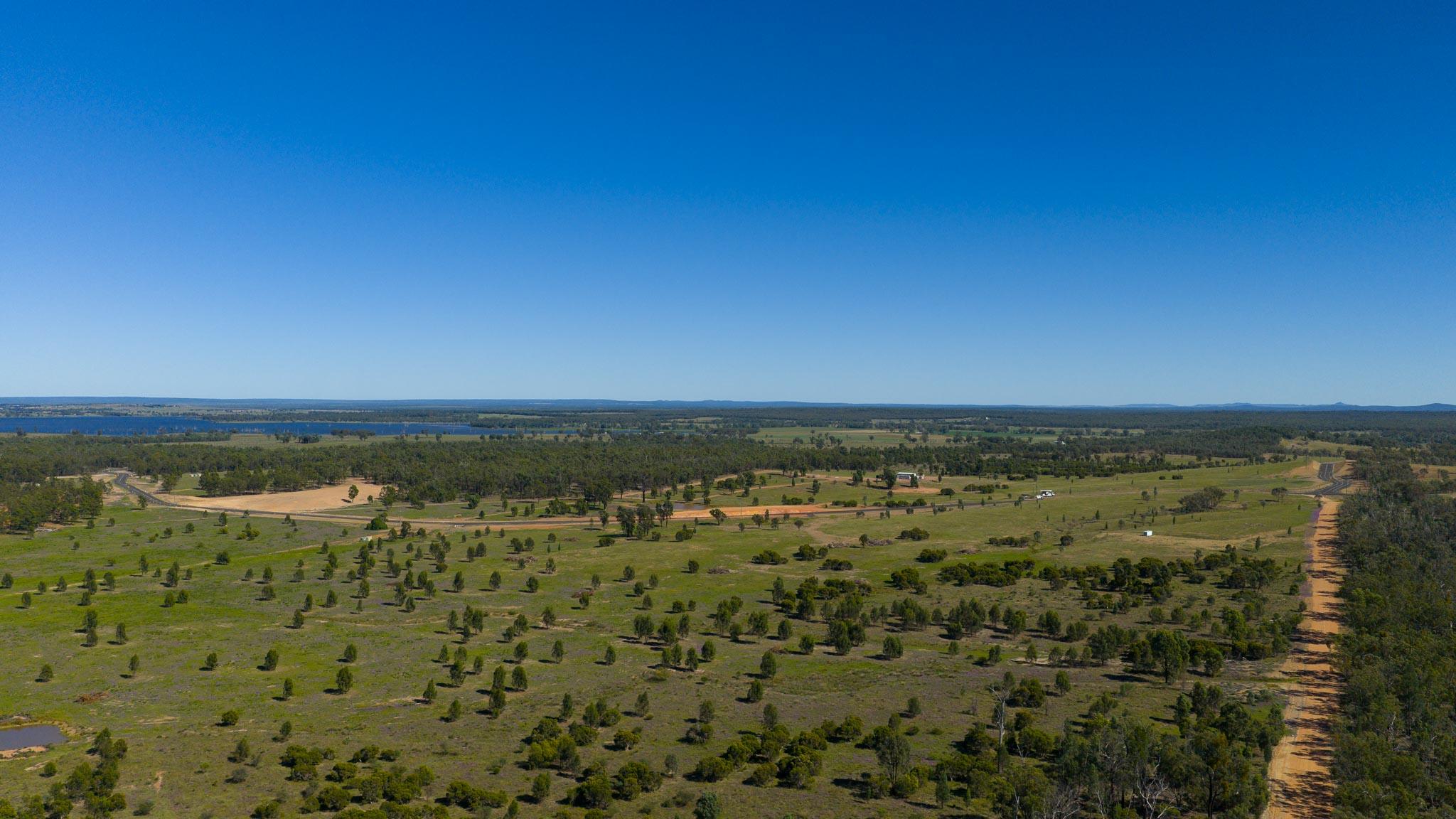
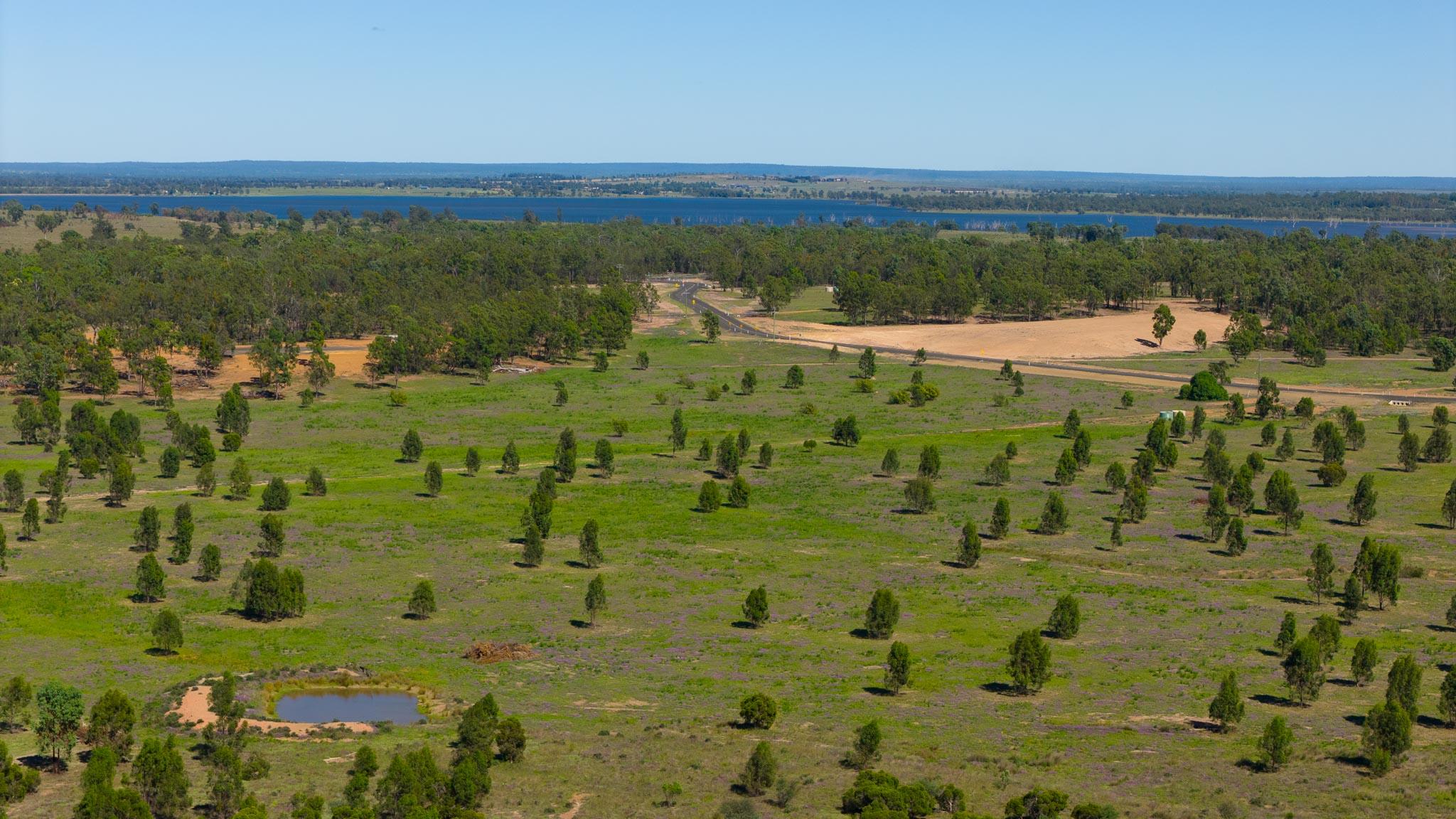
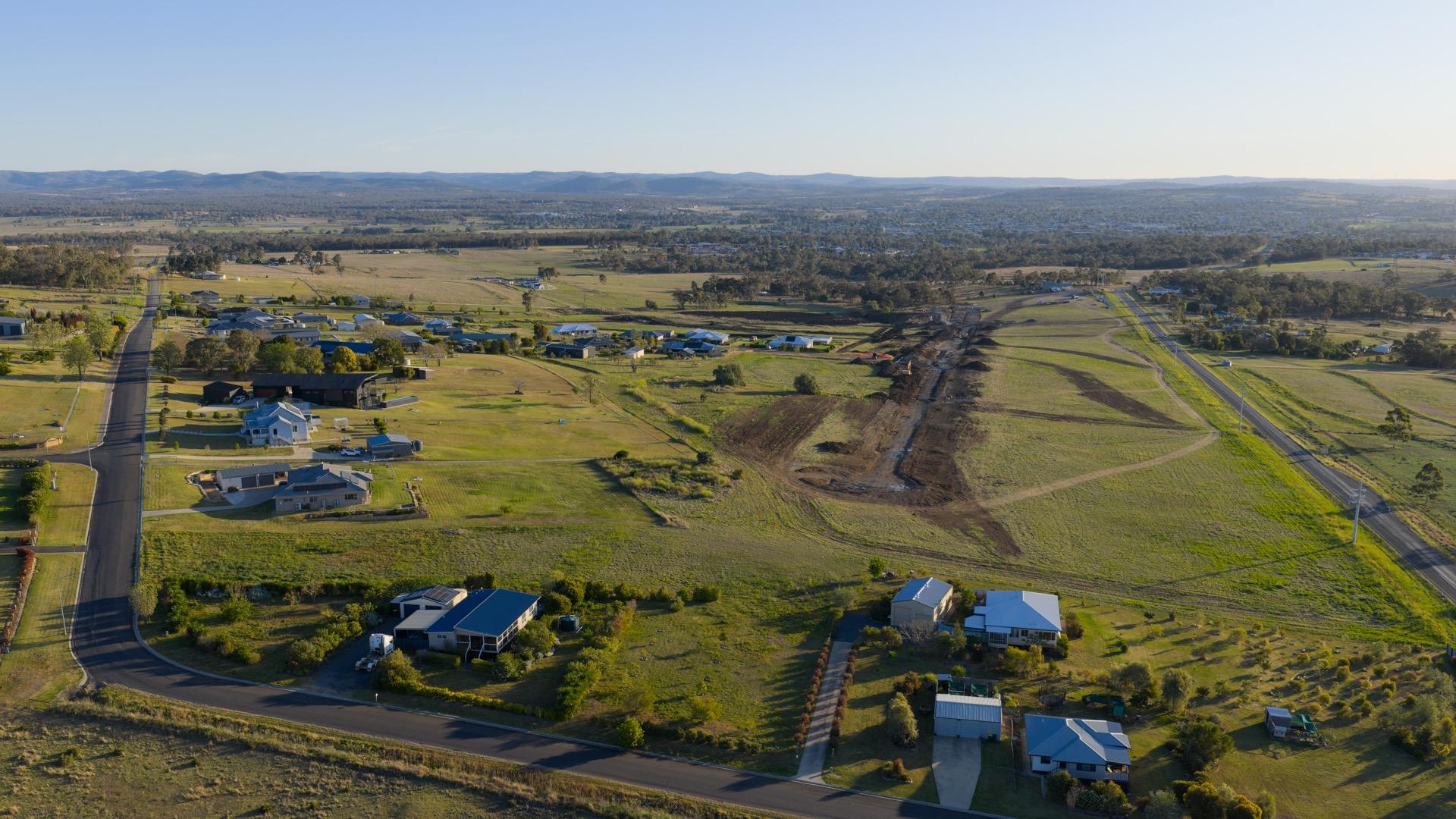
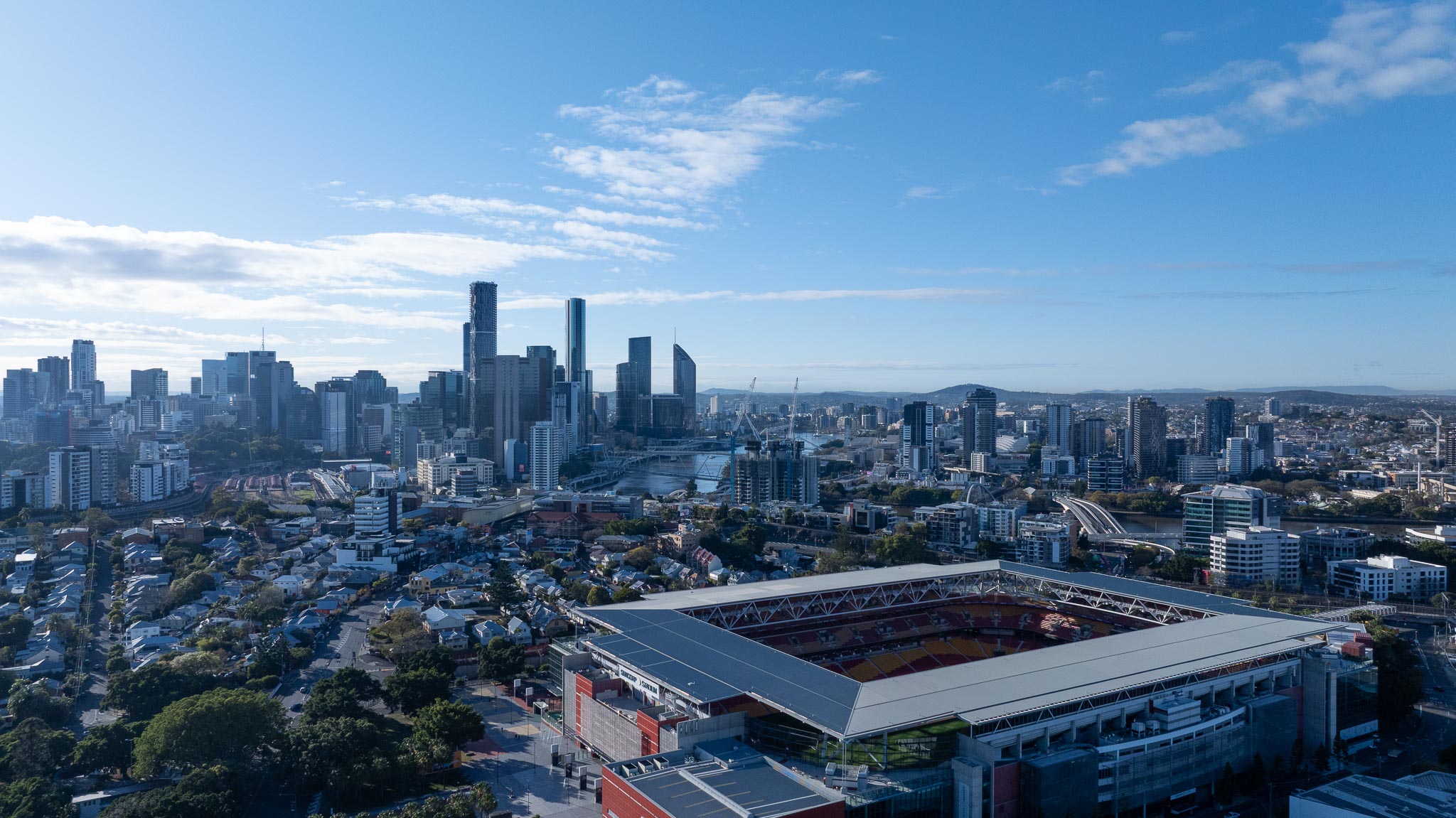
First release — 13 Lots of 100 acres — each lot is more than five times the size of Suncorp Stadium
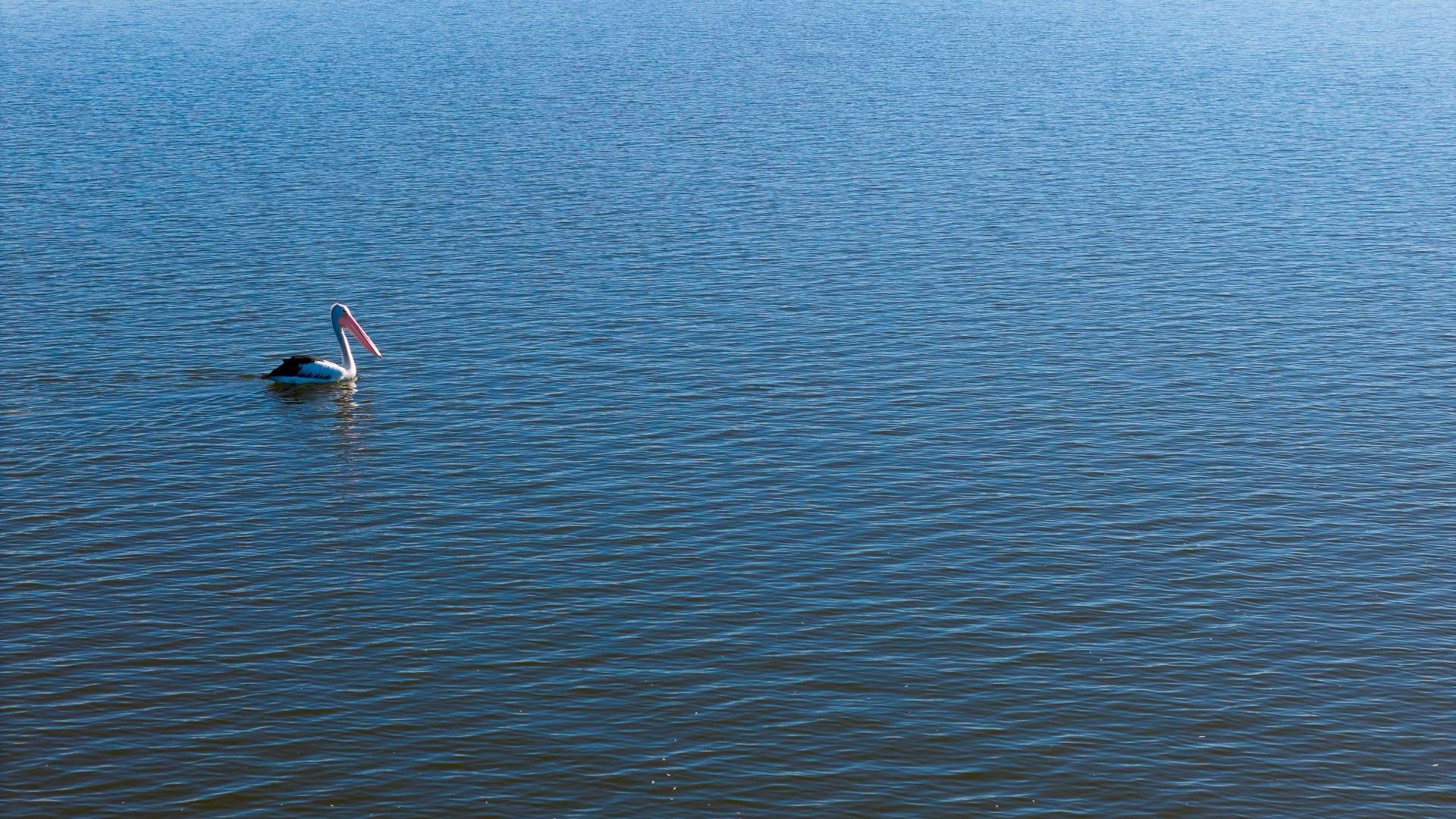
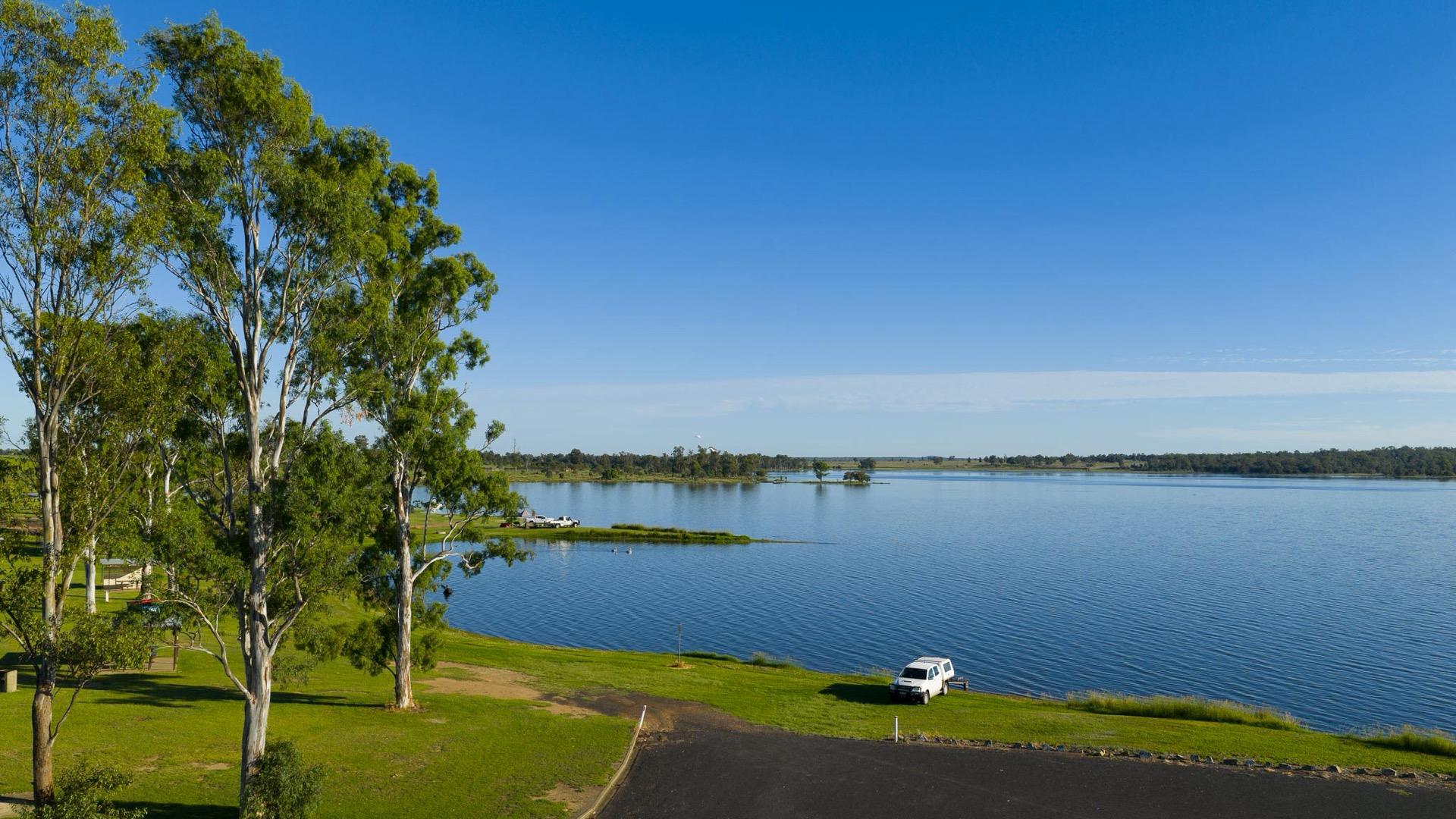
360° aerial
A full lap of IronBark Station.
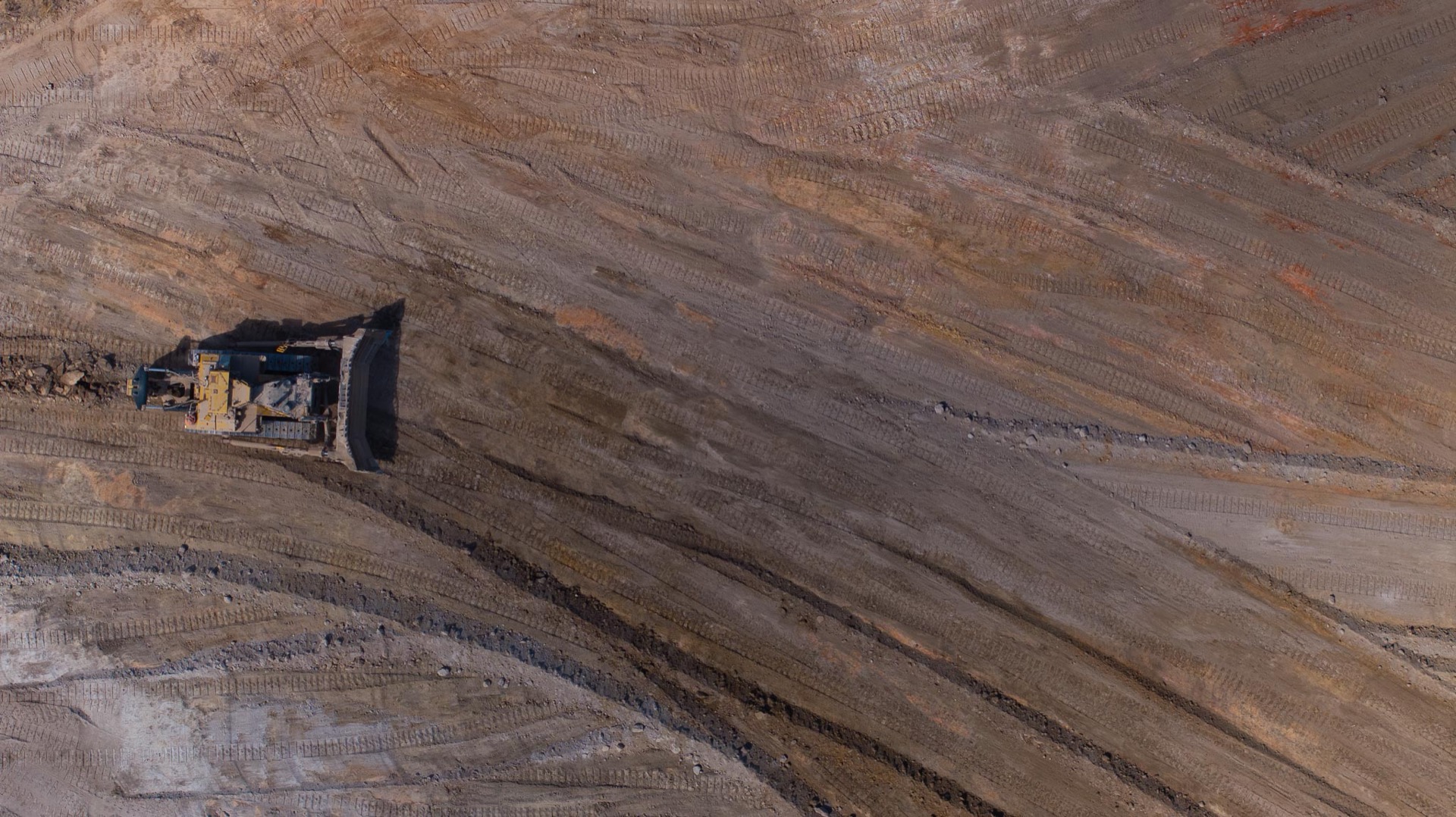
IronBark Station • The D11R
An Iron Fist Inside a Velvet Dream
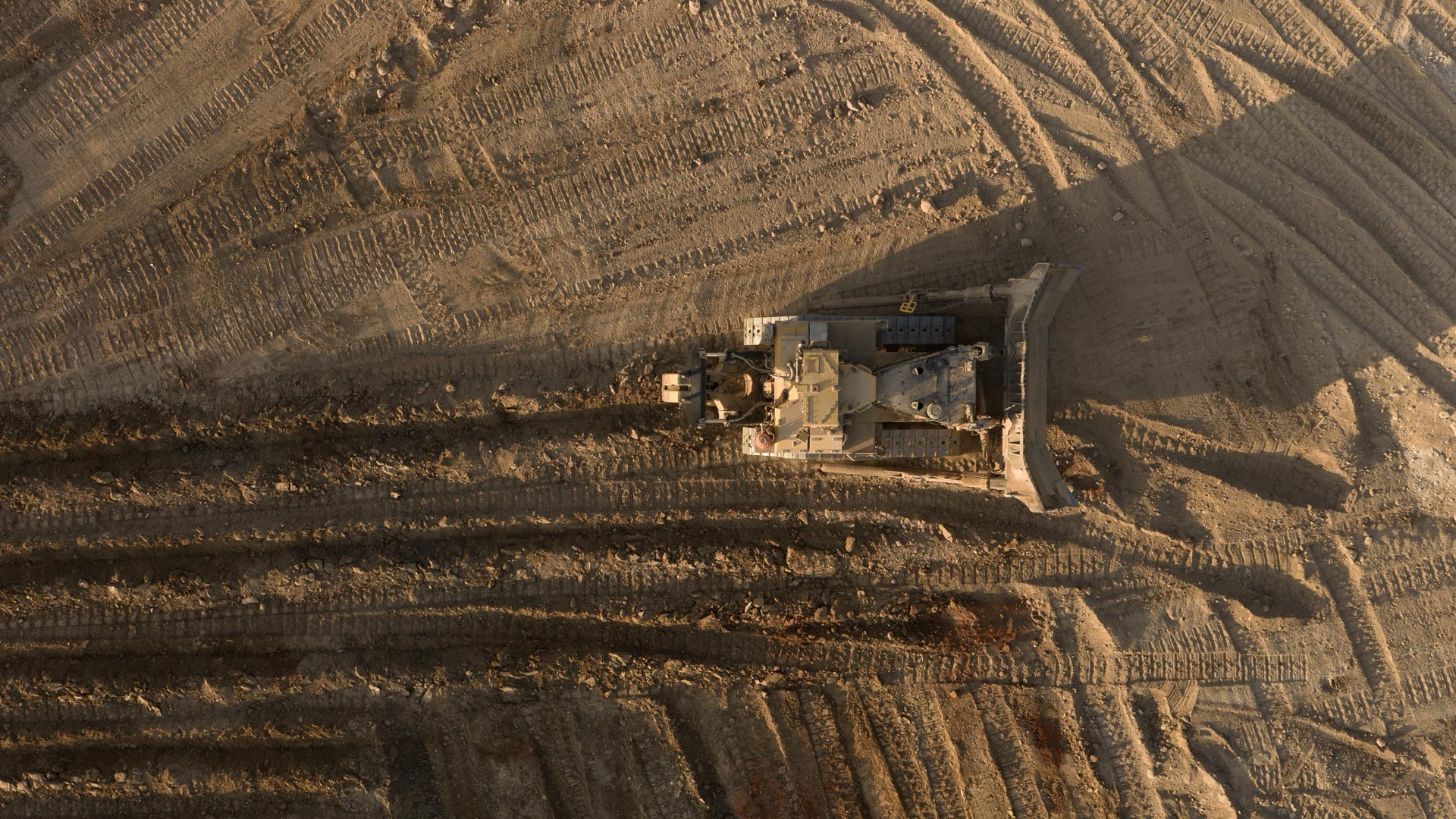
This is no machine. This is a continent-shaper, a yellow god of torque and compression.
Eleven hundred horses in chains, breathing diesel and dust. Each track pad weighs more than a man. The rippers at the rear are tusks — relics of a time when extinction still meant something.
You can feel it before you hear it — a vibration in the chest cavity, like a war drum made of iron and oil. It doesn't argue with the land. It negotiates through dominance. Every push, every rumble, every hydraulic breath says one thing: "Move."
Wayne Seymour could have used this to flatten IronBark into submission — to grid it, pave it, turn it into another suburb of boxes and debt. But he didn't. He held the line. He used the power with restraint — to shape habitat, not destroy it.
Because real strength isn't in what you crush. It's in what you choose not to.
The Feed
What's moving.
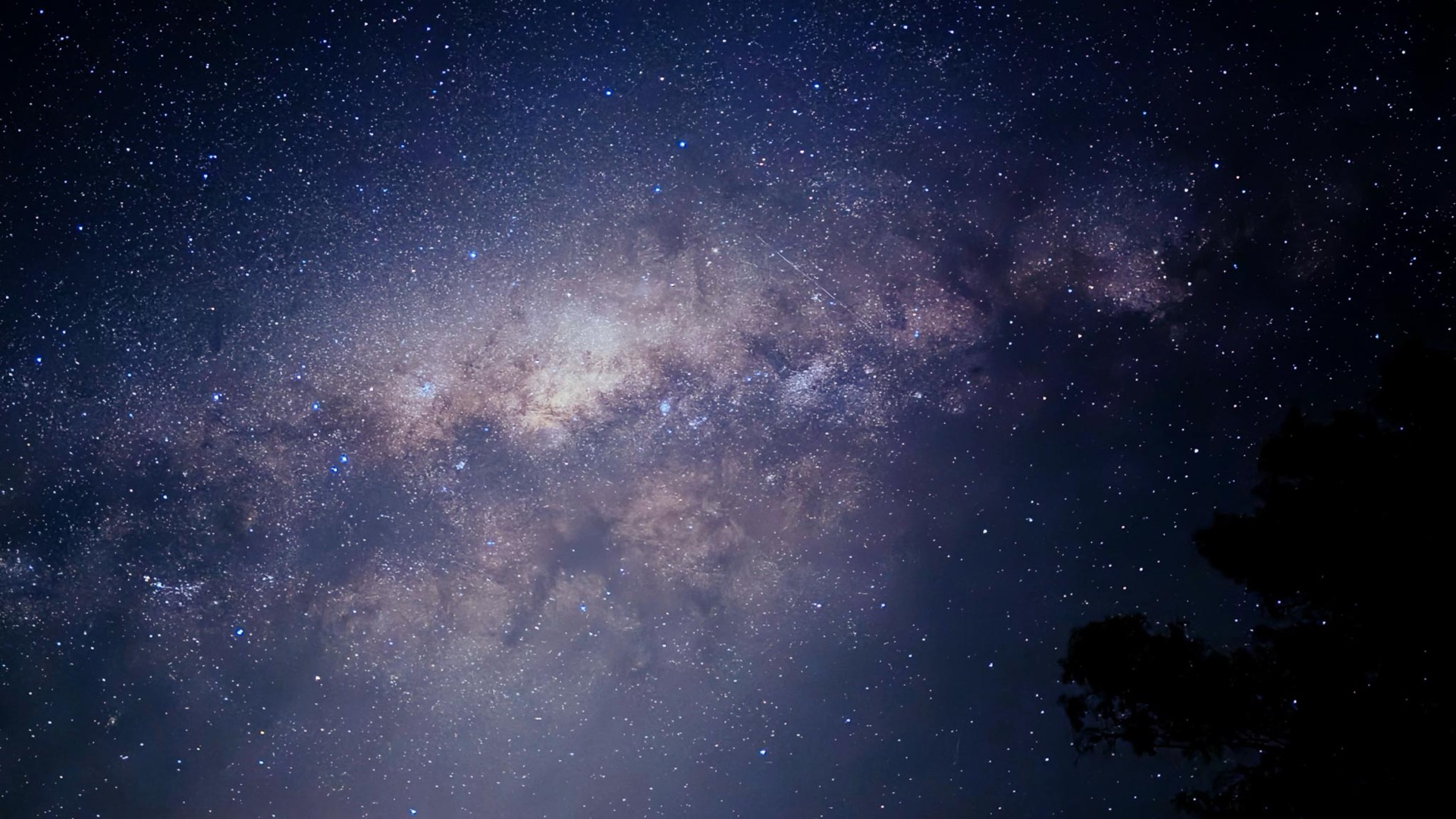
IronBark Station • The Night Sky
A Thousand Billion Suns
The Galactic Core hangs over IronBark Station like a memory older than the land itself. Not a view — a presence.
In cities, you forget that the universe has texture. Out here, it's a living map: a thousand billion suns braided into a river of light.
You can see the dust lanes — the dark threads where stars are still being born. You can feel, if you stand still long enough, the quiet hum of the planet turning beneath it.
This is what a sky looks like when there are no streetlights to bleach the story away.
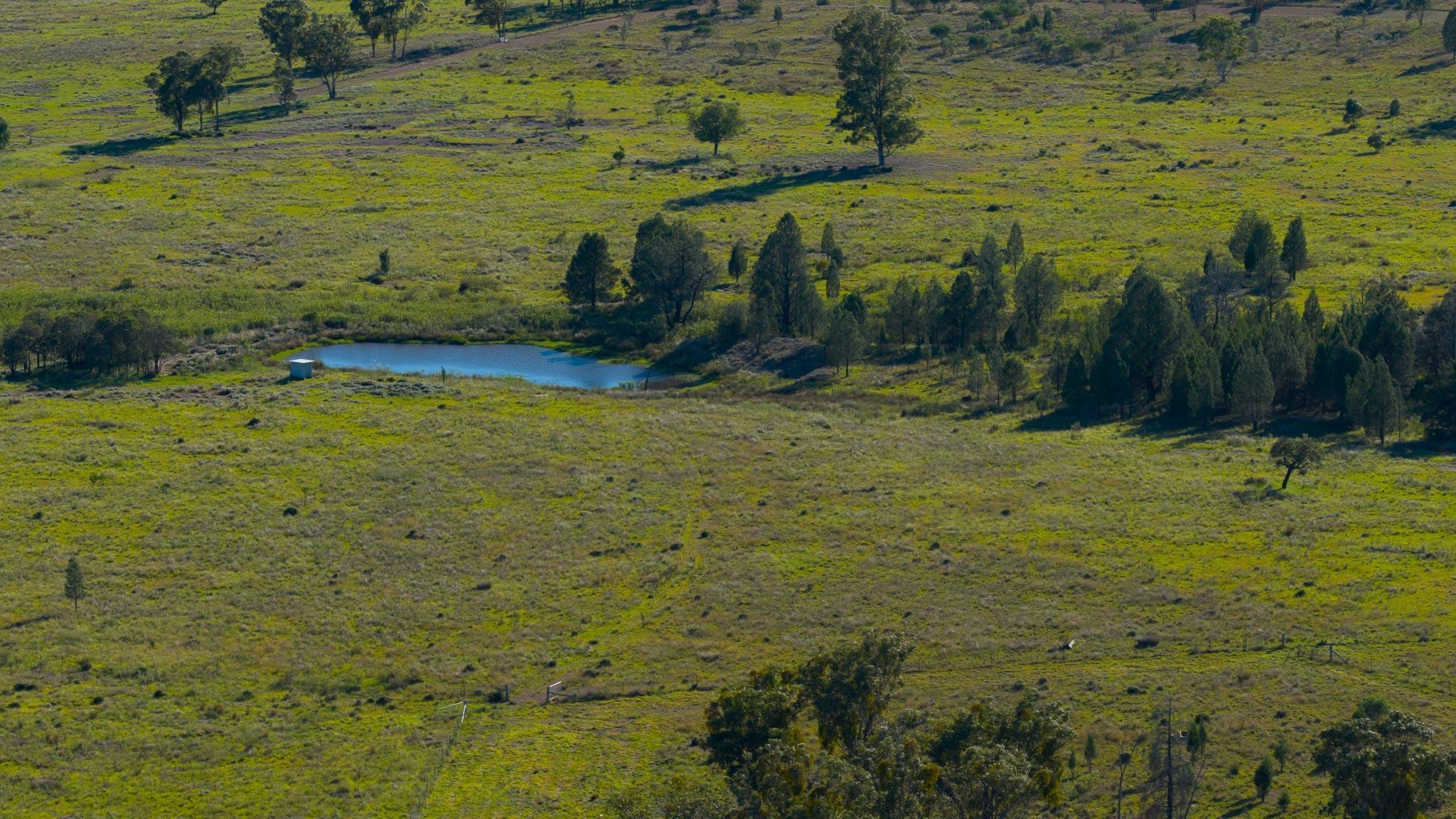
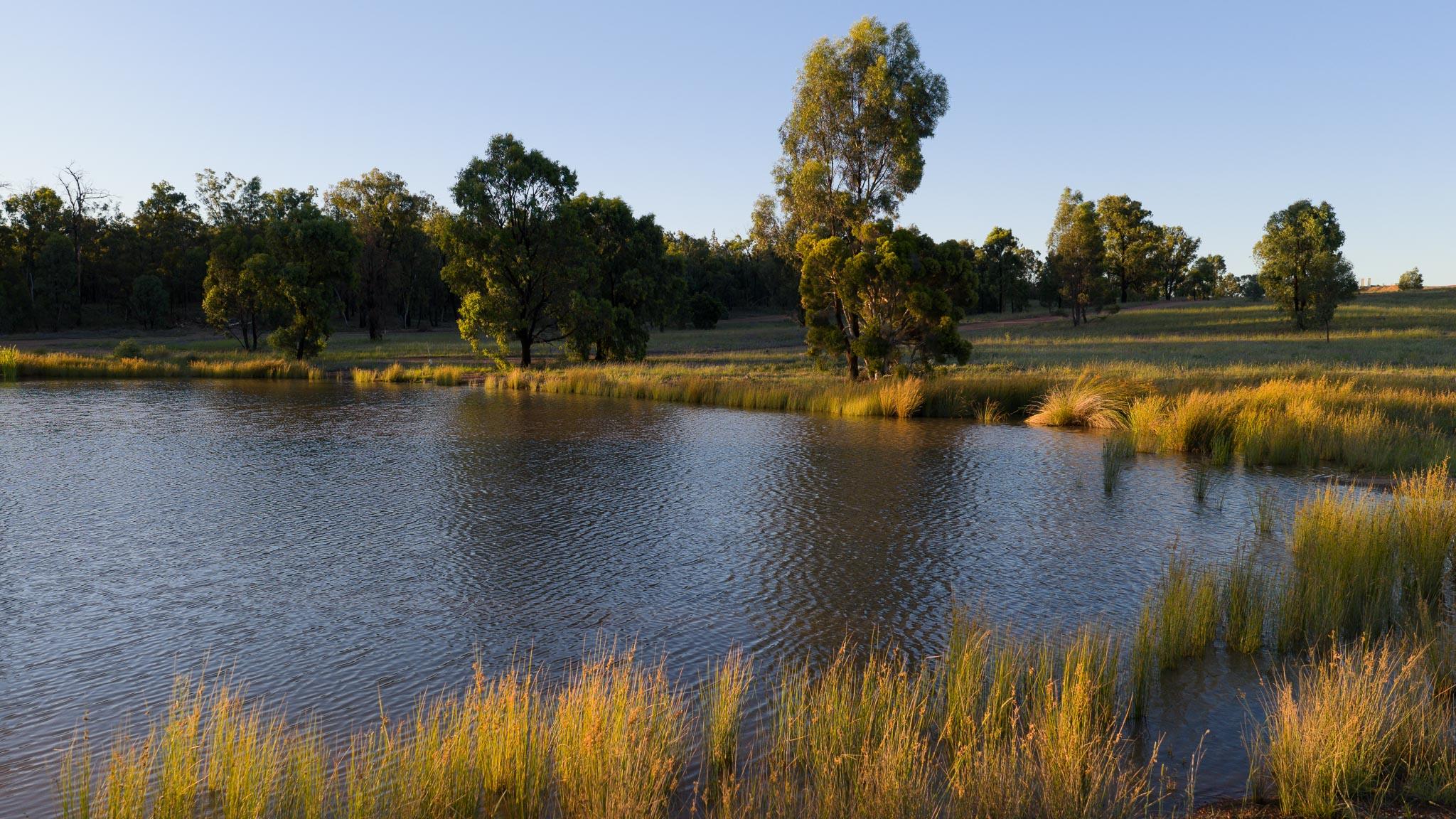
Thirty-eight lots under a single horizon, each with its own dam, each beneath this same celestial artery. The Milky Way doesn't visit here — it belongs here.
It is the silent proof that IronBark Station sits in one of the last places where you can still see back to the beginning of everything.
Fire in the trees, fire in the sky — energy, endurance, and renewal repeating themselves from bark to nebula.
Truckies · Tradies · The People Who Carry It
The Wheels of Industry
Australia doesn't rise out of policy. It rises out of people.
Out on the road before first light, there's a truck already moving. Headlights cutting through fog. Thermos on the dash. Another load that has to get there — no excuses, no applause.
On site, someone's already there too. Hands on tools. Shoulders carrying yesterday into today. No ribbon-cutting for this part. Just repetition. Just effort.
Together, they hold up an industry worth $633.6 billion, employing 1.3 million Australians, shaping 7% of the nation's economy. But those numbers don't show the cost.
They don't show the missed mornings. The long drives home. The injuries carried quietly. The pressure when work slows, or when it doesn't.
Nearly 80% of what moves across this country moves by road. And construction leans on that more than any other sector — because nothing gets built unless something arrives.
Steel. Concrete. Timber. Machinery. All of it passes through someone's hands before it becomes a home, a road, a future.
And when it arrives — it's the tradie who turns it into something that lasts.
They don't just build structures. They build the places people come back to.
A house where a kid takes their first step. A road that gets someone home safe. A hospital where someone gets a second chance.
That's the part we forget.
We talk about growth. We talk about GDP. We talk about supply chains.
But underneath all of it — it's just people carrying weight.
Truckies keep it moving. Tradies make it real.
And most days, no one says thank you.
Ready to Start Your Next Chapter?
Call 'Pony' to have a real conversation about your Great Australian Dream 2.0.